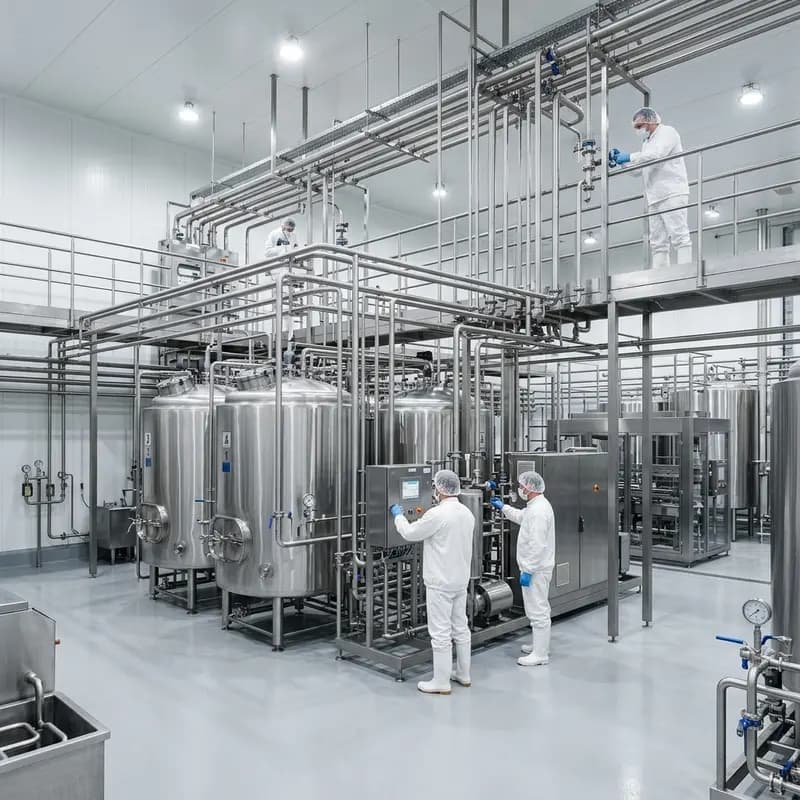
Food Industry & Food Safety
Microbiological risk management in food production environments
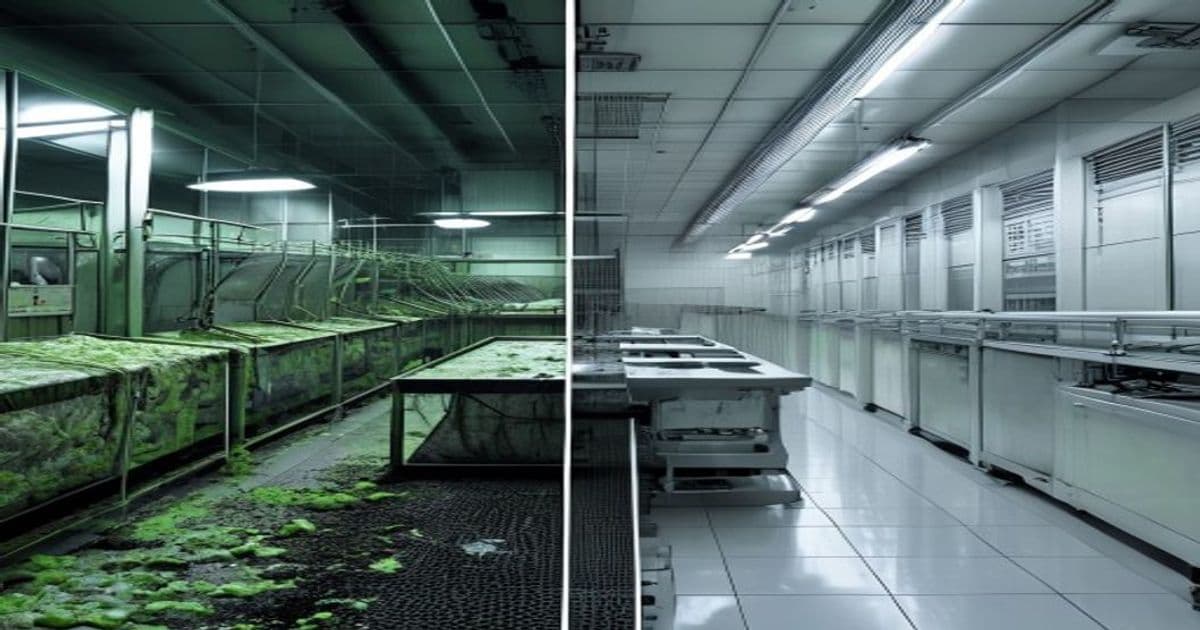
Why Some ATP Tests Remain Unstable Despite Clean Surfaces
In food industries and slaughterhouses, ATP-metry (bioluminescence monitoring) is the standard tool to instantly validate the quality of production su
Read the technical study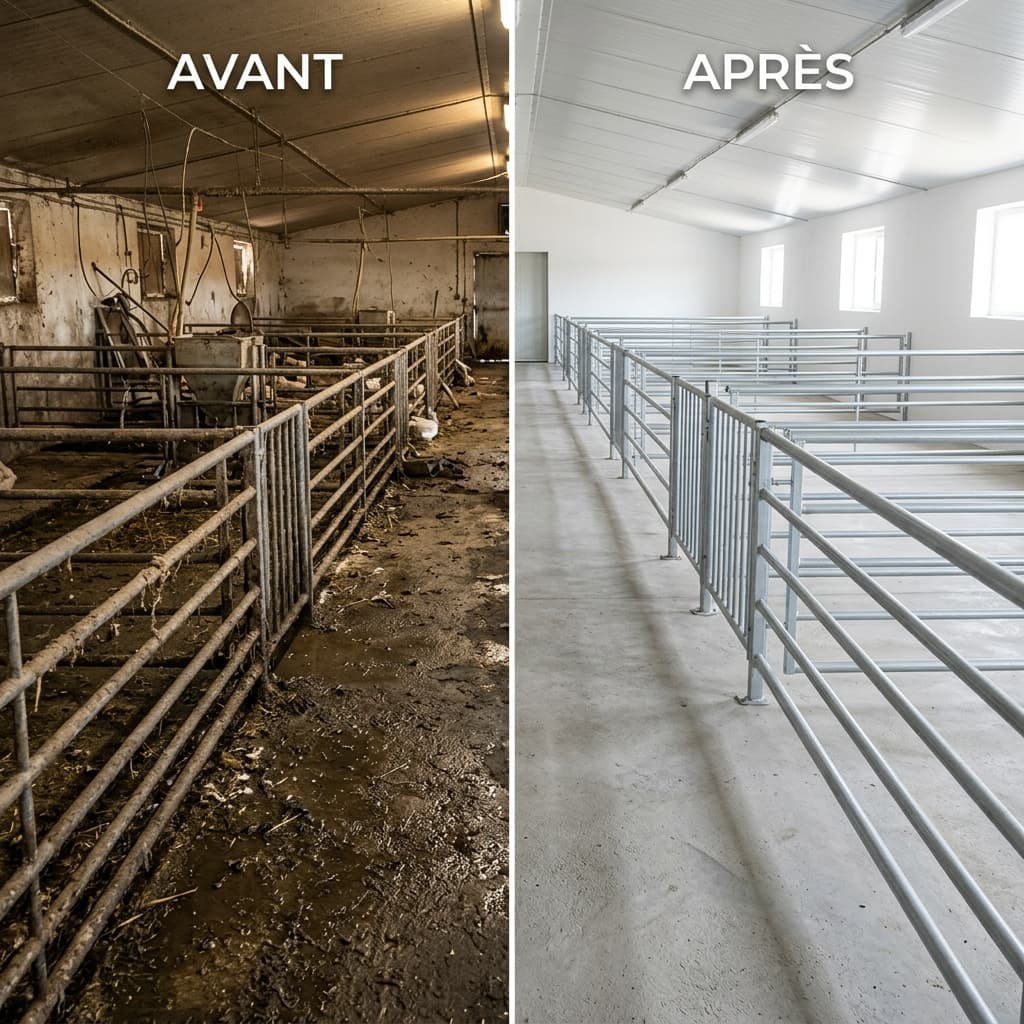
Why Some Plants Waste Time Due to Extended Rinsing
In the food industry, productivity is closely linked to equipment availability. However, during audits of cleaning organisation, a recurring operation
Read the technical study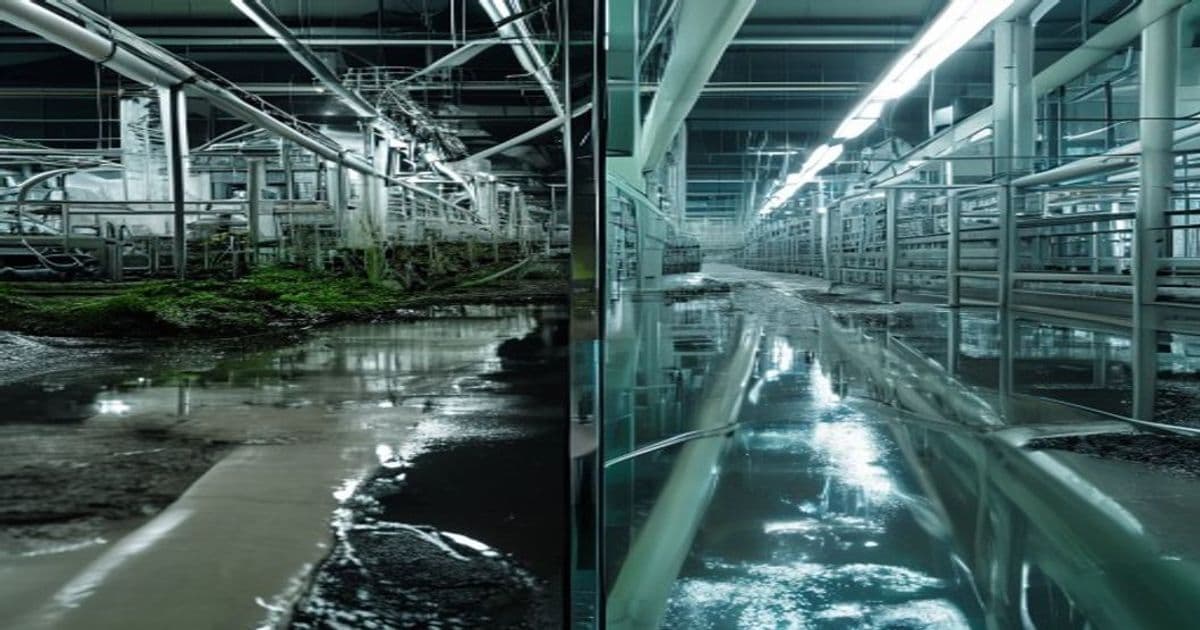
Why Water Analyses Become Unstable in Industrial Circuits
In food processing plants and slaughterhouses, the microbiological quality of water is a pillar of food safety. It is used at every stage: washing raw
Read the technical study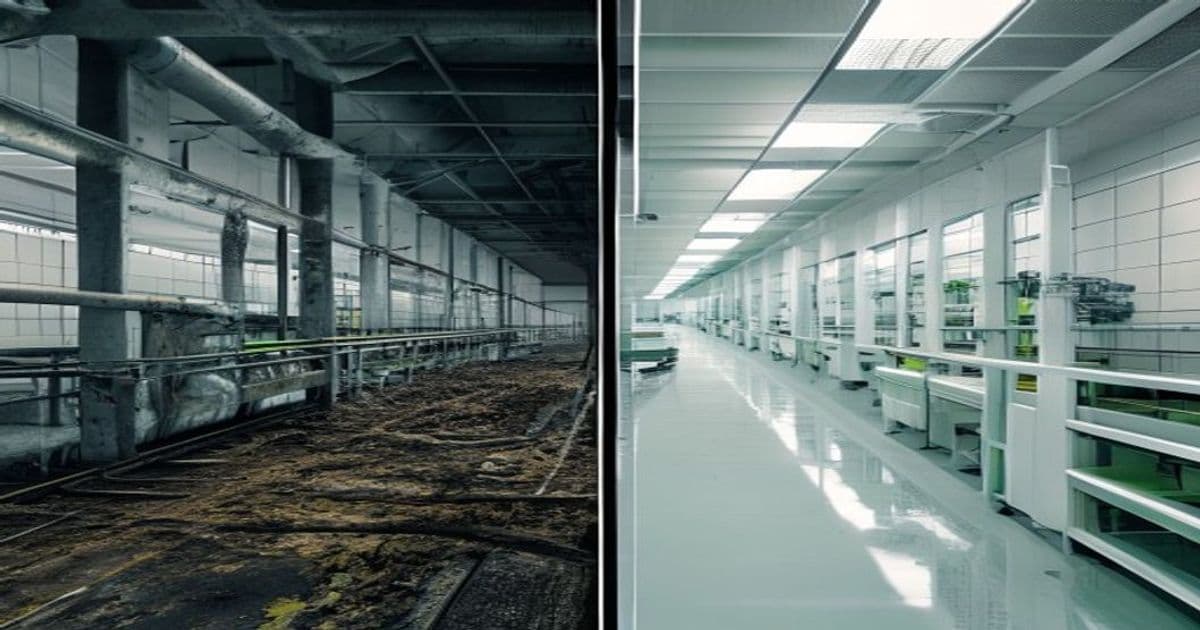
Why Some Contaminations Start Even Before Production Begins
In many food industries, starting up production lines after a weekend shutdown or sanitary downtime is a critical phase. Quality managers regularly ob
Read the technical study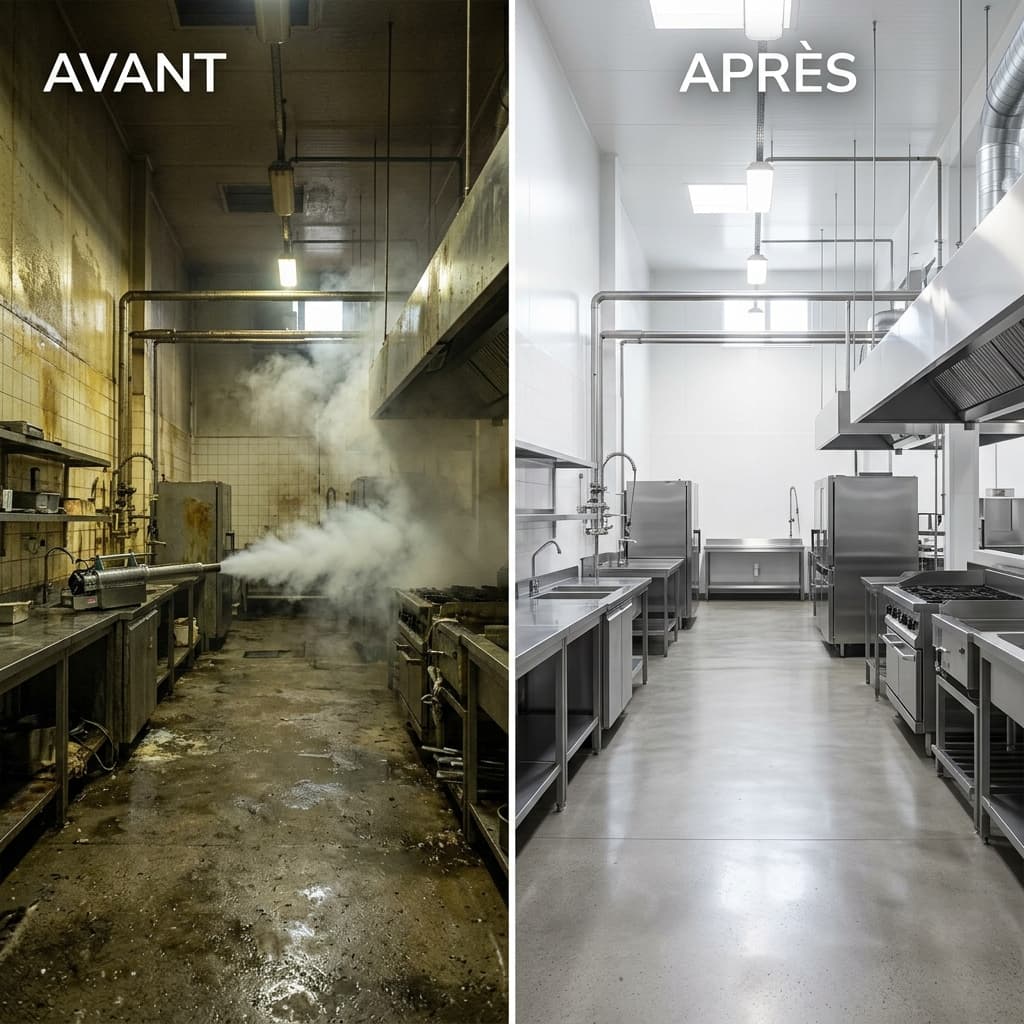
Why Wet Surfaces Slow Down the Efficacy of Sanitation Protocols
In food plants and slaughterhouses, it is common to observe surfaces that remain wet for long hours after sanitation crews have finished. This phenome
Read the technical study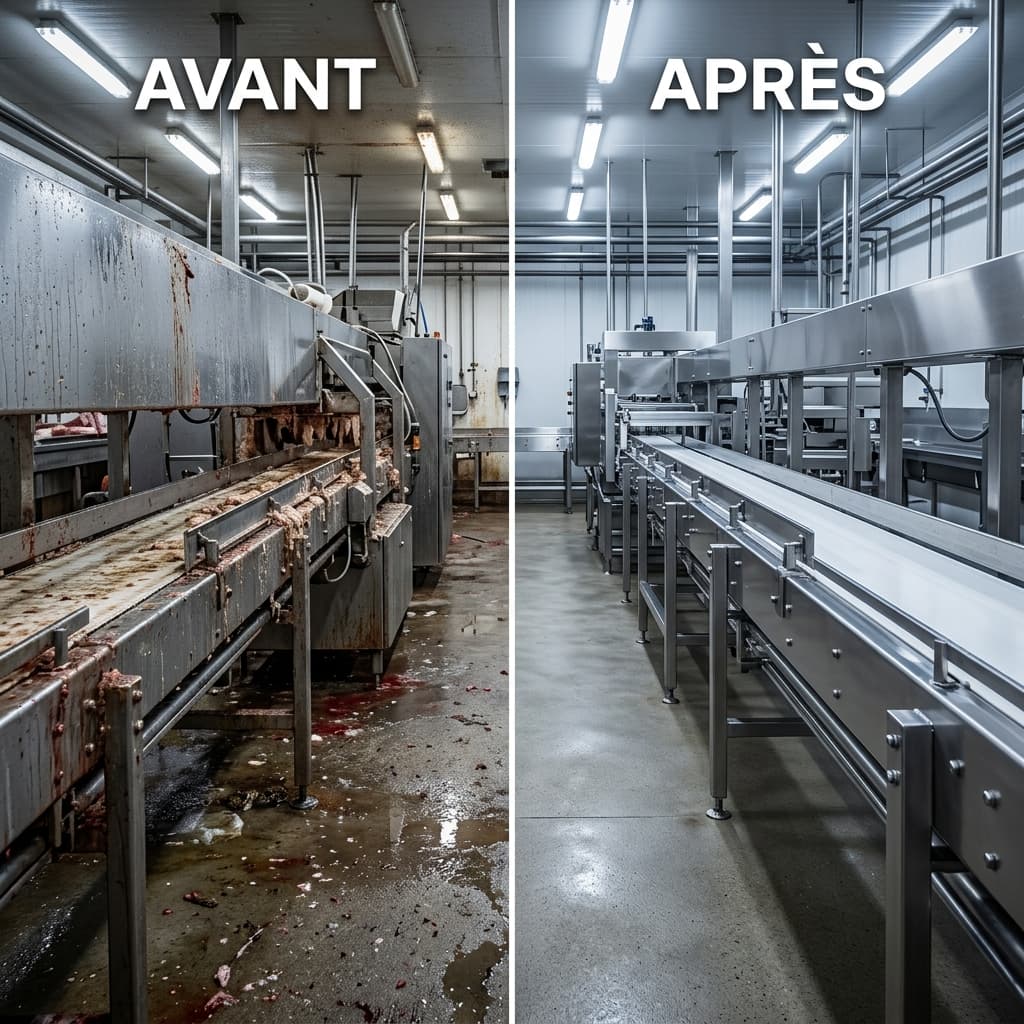
Why Some Slaughter Lines Always Fail Sanitary Controls
In many slaughterhouses and meat processing facilities, the same issues recur persistently from one control to the next: cross-contamination by pathog
Read the technical study
Why Analyses Turn Positive Again Just After Cleaning
For a quality manager or a food plant director, it is an extremely frustrating situation: the cleaning crews have just spent hours scrubbing, foaming,
Read the technical study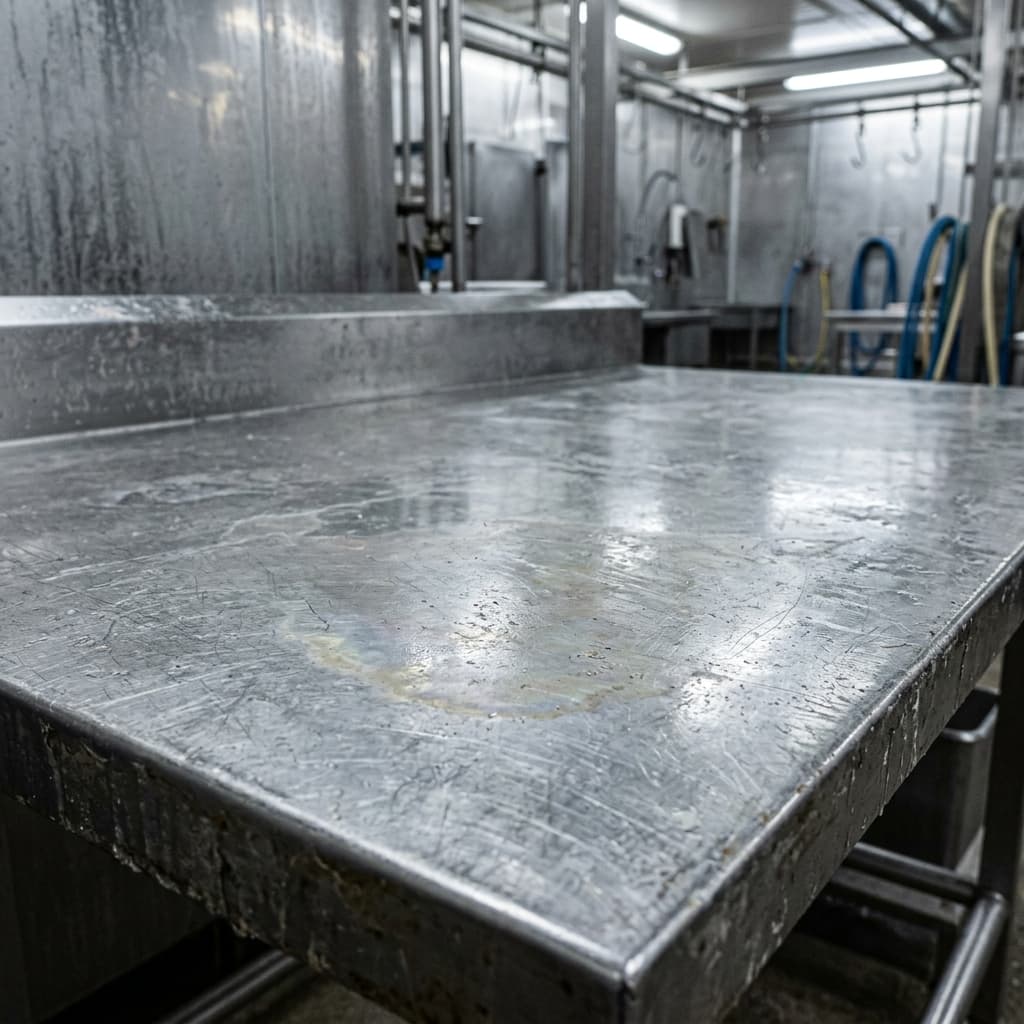
Why Certain Stainless Steel Surfaces Remain Contaminated Despite Cleaning
In the food industry and slaughterhouses, stainless steel (commonly known as inox) is the preferred material. Chosen for its resistance to corrosion,
Read the technical study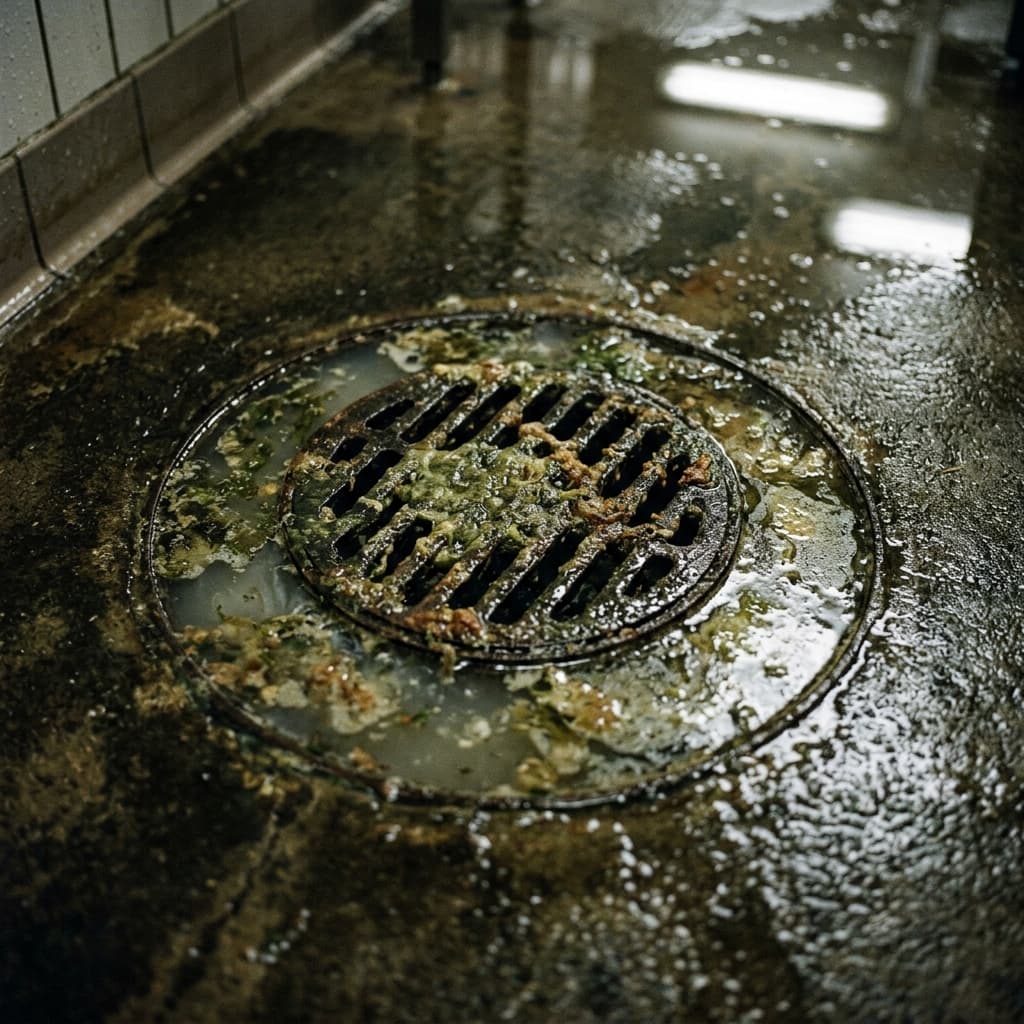
Why Damp Zones Always Recontaminate Workshops
In food industries and slaughterhouses, maintaining a dry environment is a daily battle. Despite the efforts of hygiene teams, specific areas (drains,
Read the technical study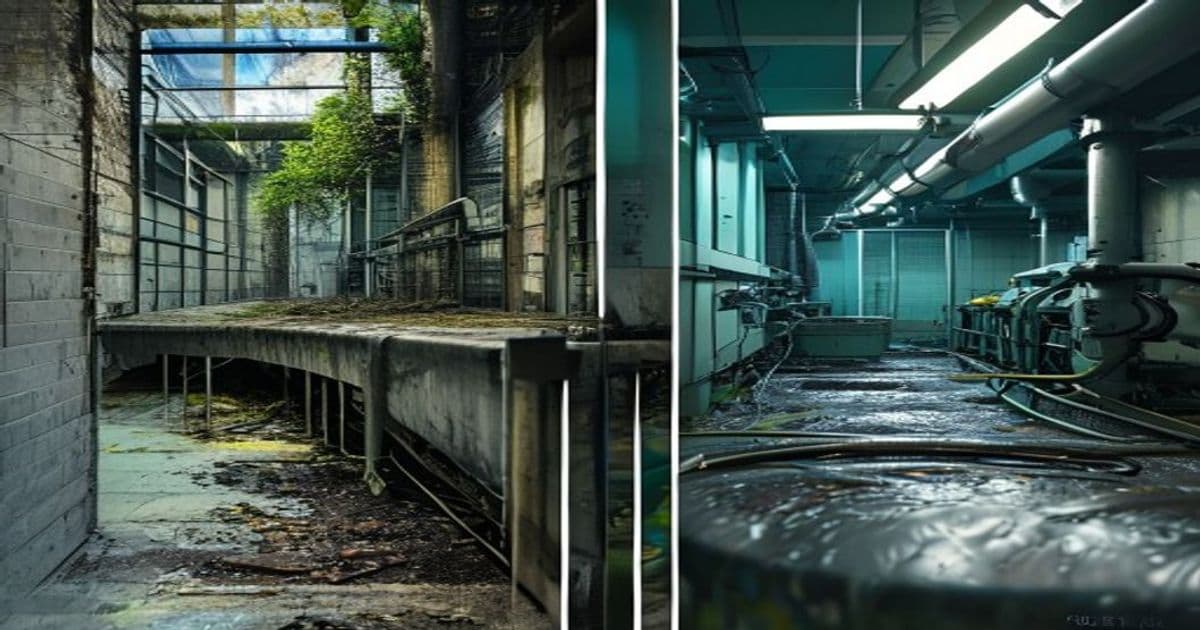
Why Drains Are Often the Blind Spot of Sanitary Protocols
In food industries and slaughterhouses, the battle against Listeria monocytogenes and other environmental pathogens is constant. While colossal resour
Read the technical study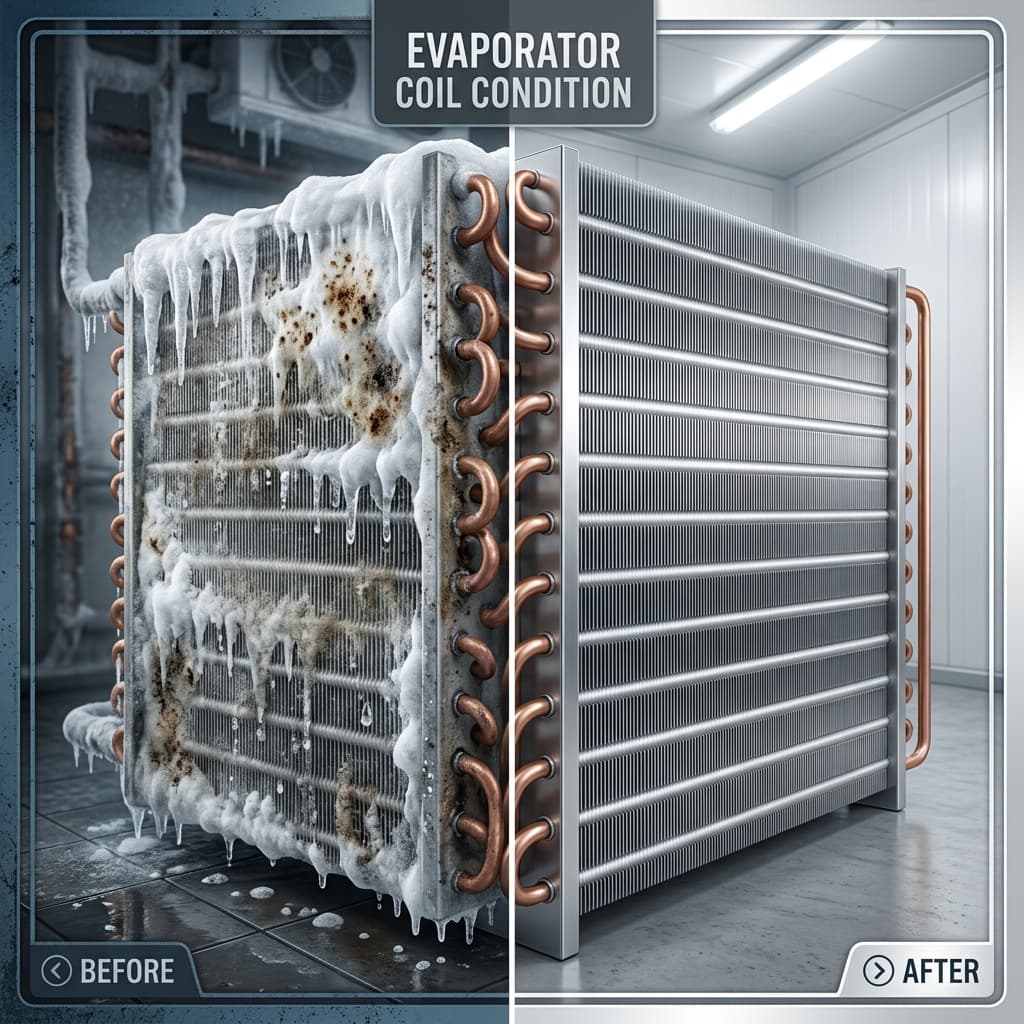
Why Some Cold Rooms Become Listeria Reservoirs
In the food industry, cold rooms are considered a barrier against bacterial growth. Dropping temperatures indeed slows the multiplication of most spoi
Read the technical study
Why Some Surfaces Become Recontaminated Between Two Production Runs
In many food processing workshops, hygiene control appears flawless during checks carried out after the main daily cleaning. However, as soon as machi
Read the technical studyShowing 1 to 12 of 40 articles