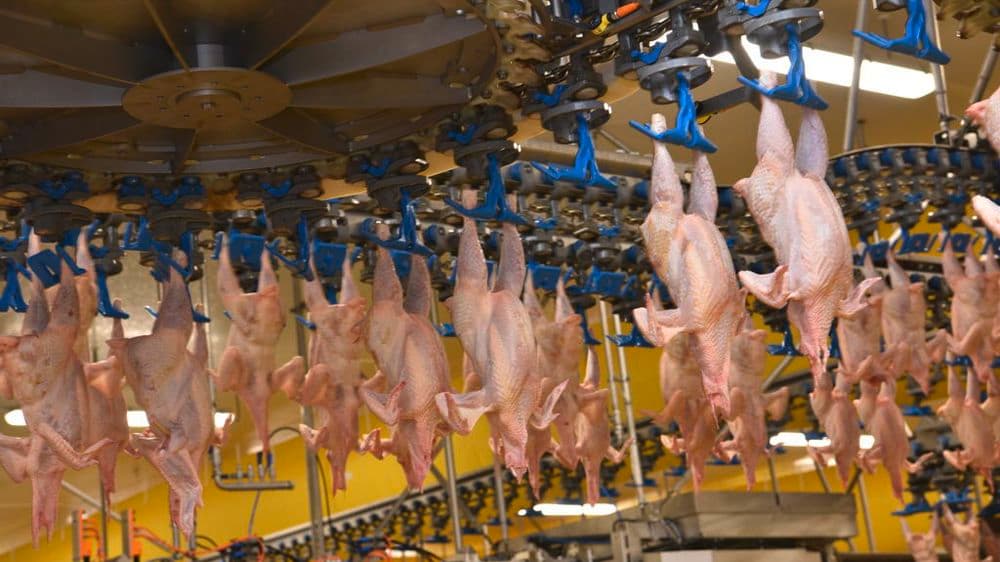
Slaughterhouses & Industrial Hygiene
Decontamination solutions for slaughter and processing lines
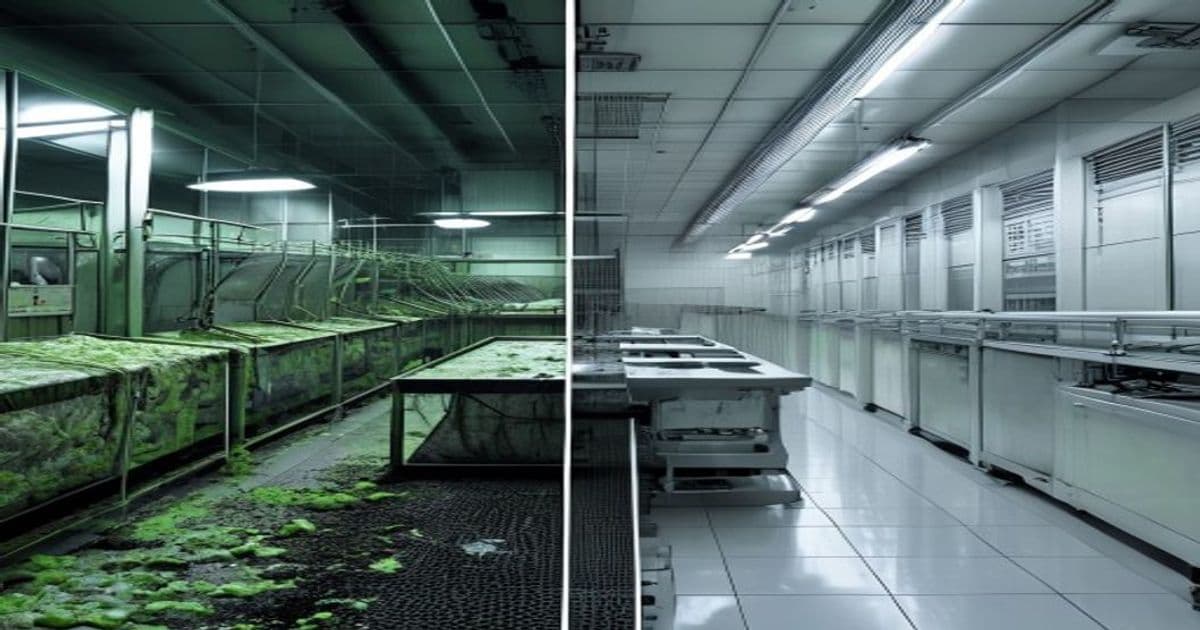
Why Some ATP Tests Remain Unstable Despite Clean Surfaces
In food industries and slaughterhouses, ATP-metry (bioluminescence monitoring) is the standard tool to instantly validate the quality of production su
Read the technical study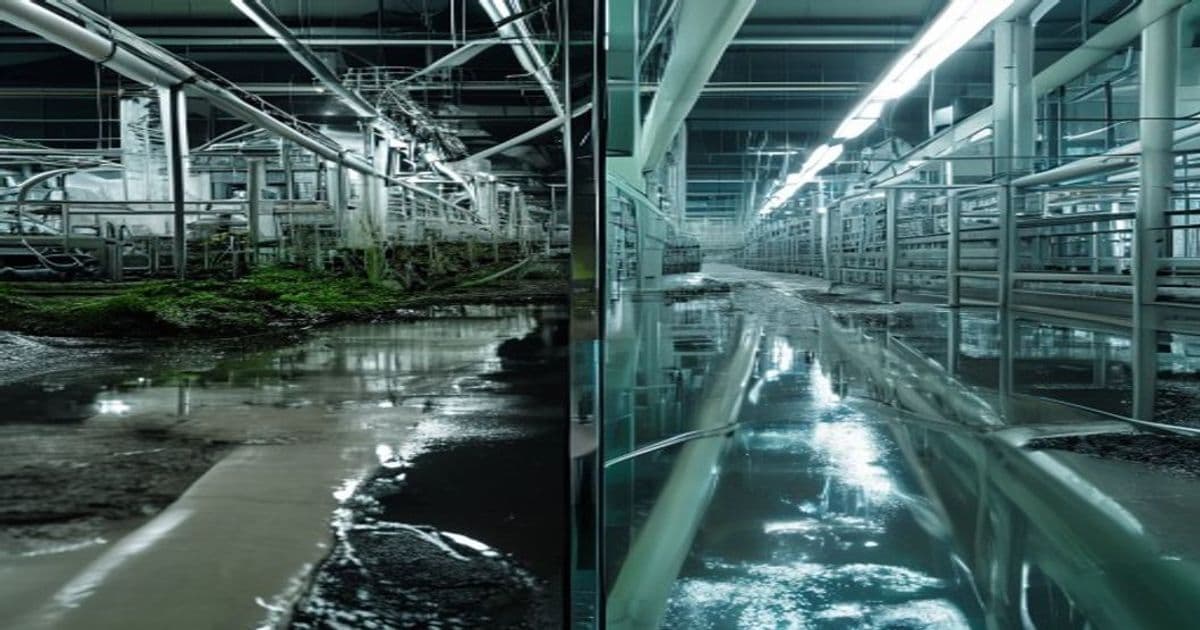
Why Water Analyses Become Unstable in Industrial Circuits
In food processing plants and slaughterhouses, the microbiological quality of water is a pillar of food safety. It is used at every stage: washing raw
Read the technical study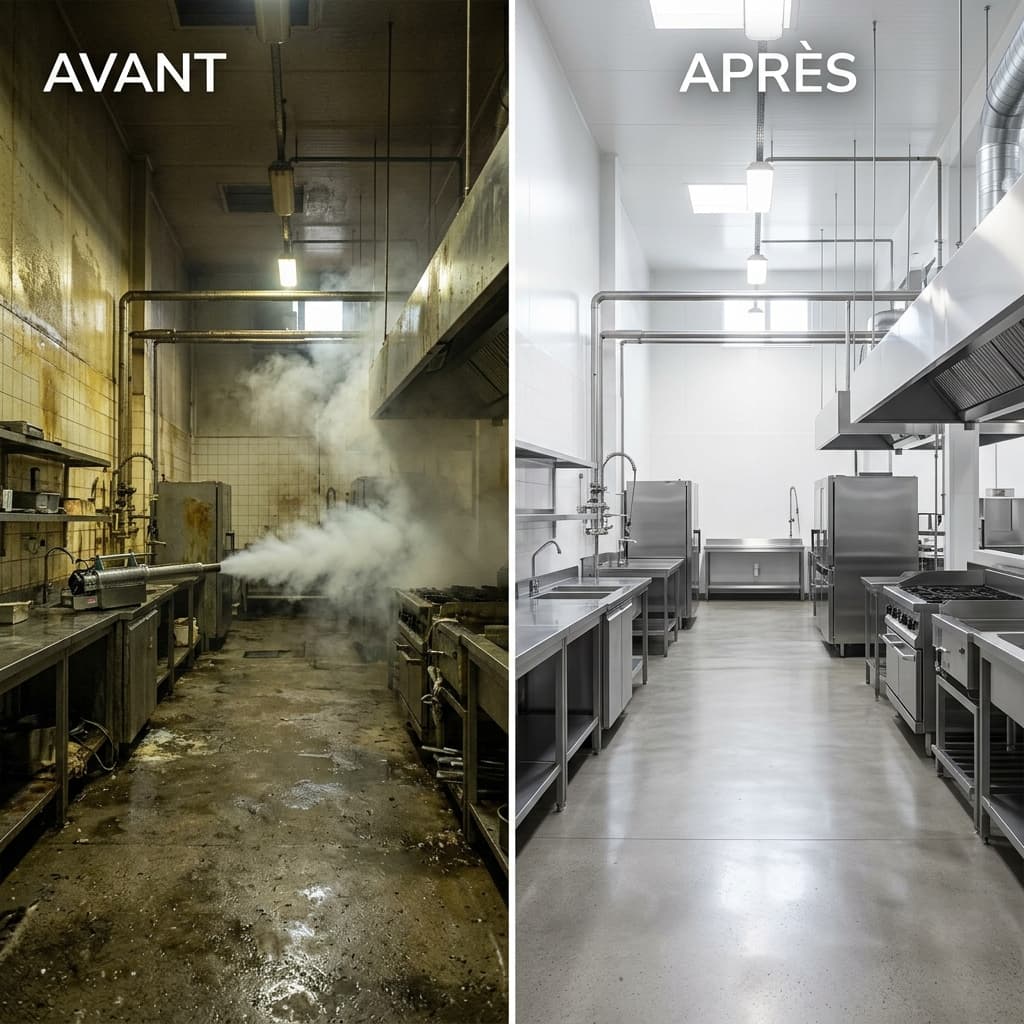
Why Wet Surfaces Slow Down the Efficacy of Sanitation Protocols
In food plants and slaughterhouses, it is common to observe surfaces that remain wet for long hours after sanitation crews have finished. This phenome
Read the technical study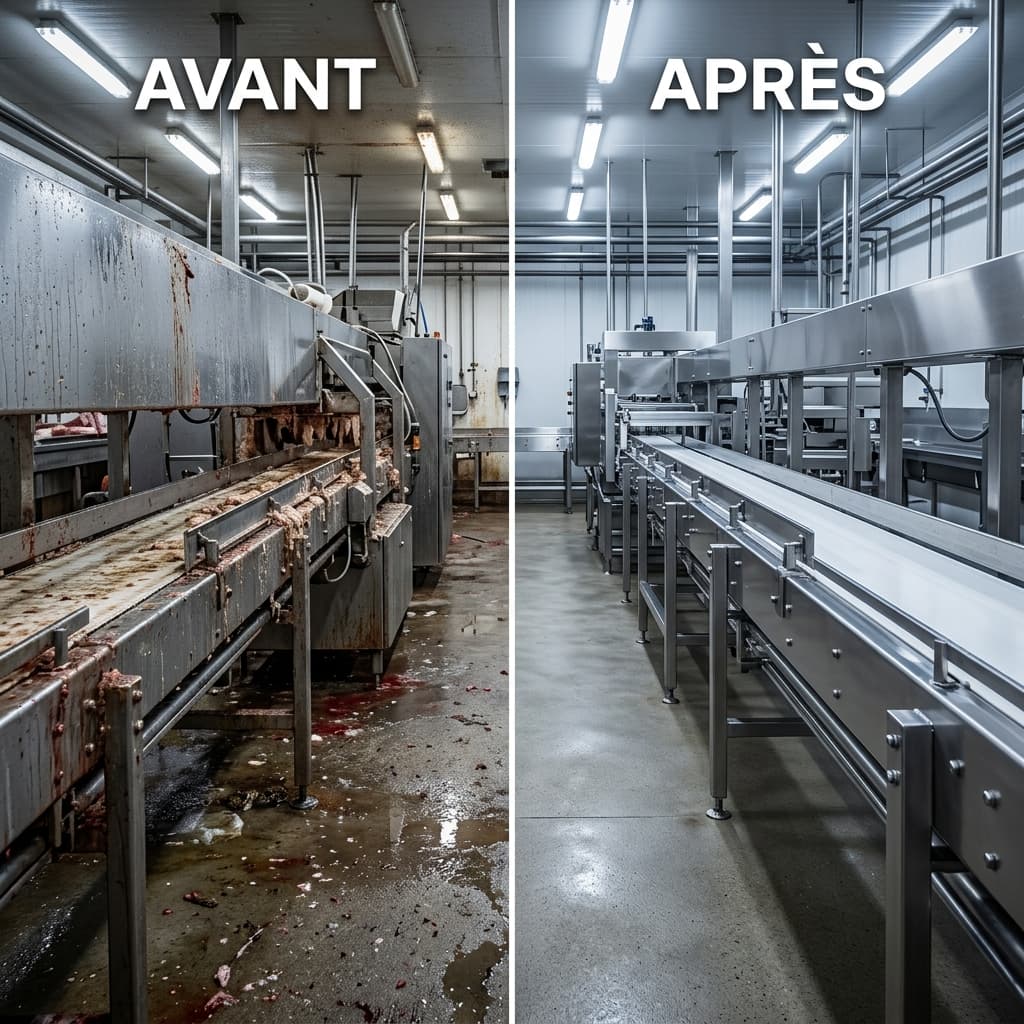
Why Some Slaughter Lines Always Fail Sanitary Controls
In many slaughterhouses and meat processing facilities, the same issues recur persistently from one control to the next: cross-contamination by pathog
Read the technical study
Why Analyses Turn Positive Again Just After Cleaning
For a quality manager or a food plant director, it is an extremely frustrating situation: the cleaning crews have just spent hours scrubbing, foaming,
Read the technical study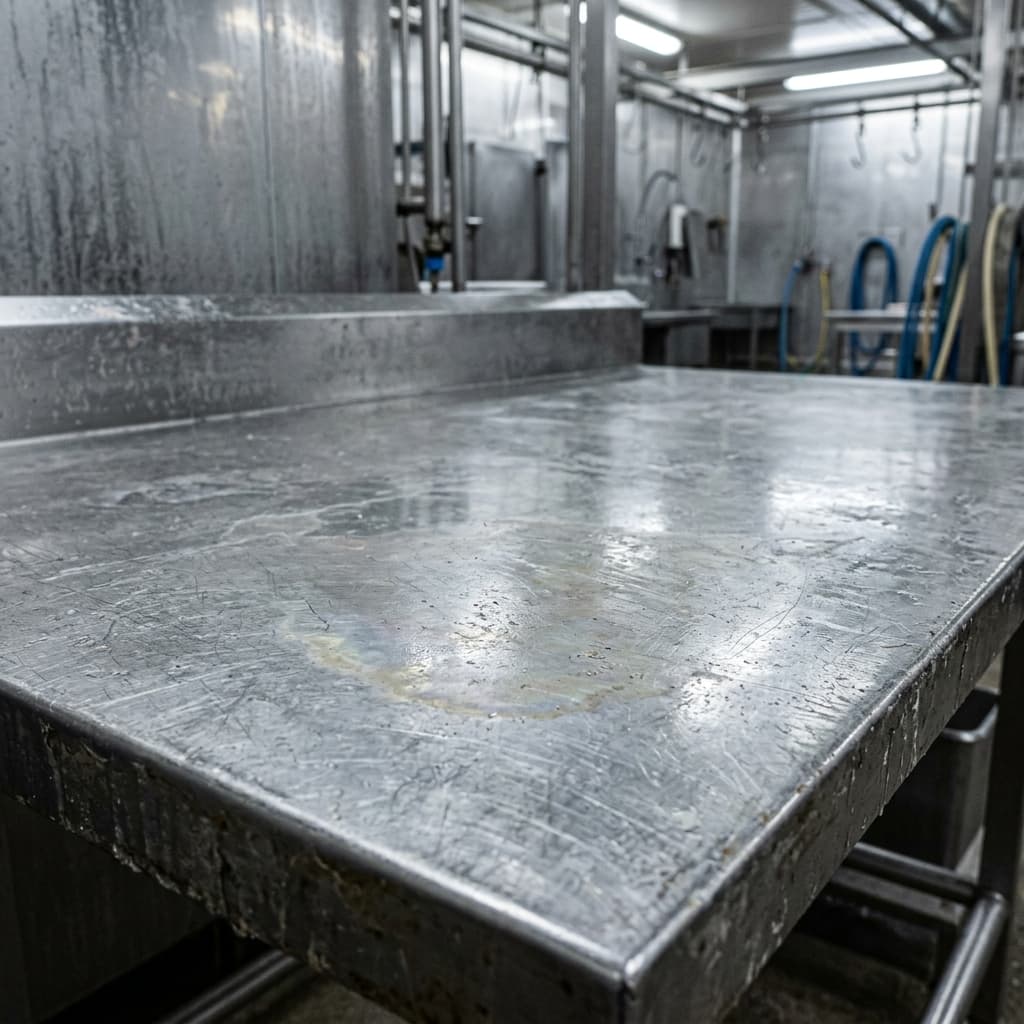
Why Certain Stainless Steel Surfaces Remain Contaminated Despite Cleaning
In the food industry and slaughterhouses, stainless steel (commonly known as inox) is the preferred material. Chosen for its resistance to corrosion,
Read the technical study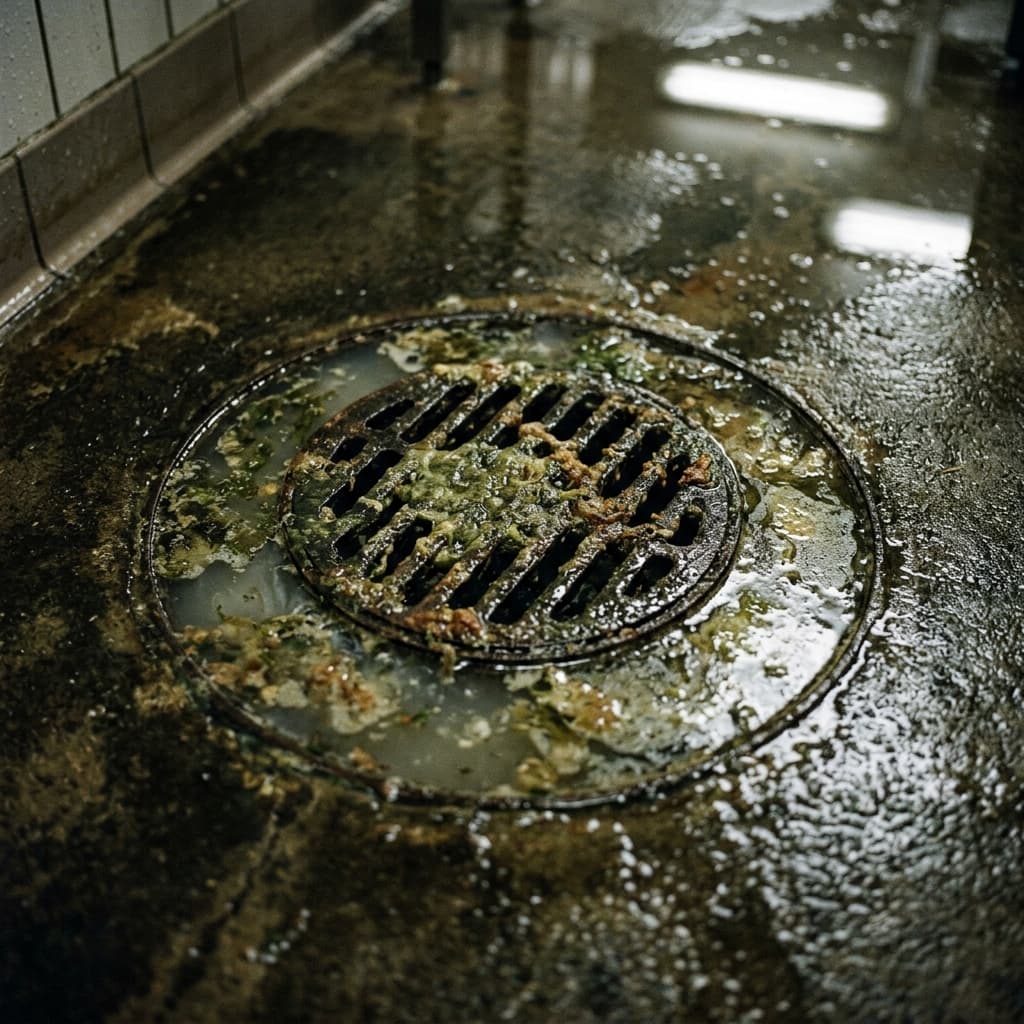
Why Damp Zones Always Recontaminate Workshops
In food industries and slaughterhouses, maintaining a dry environment is a daily battle. Despite the efforts of hygiene teams, specific areas (drains,
Read the technical study
Why Drains Are Often the Blind Spot of Sanitary Protocols
In food industries and slaughterhouses, the battle against Listeria monocytogenes and other environmental pathogens is constant. While colossal resour
Read the technical study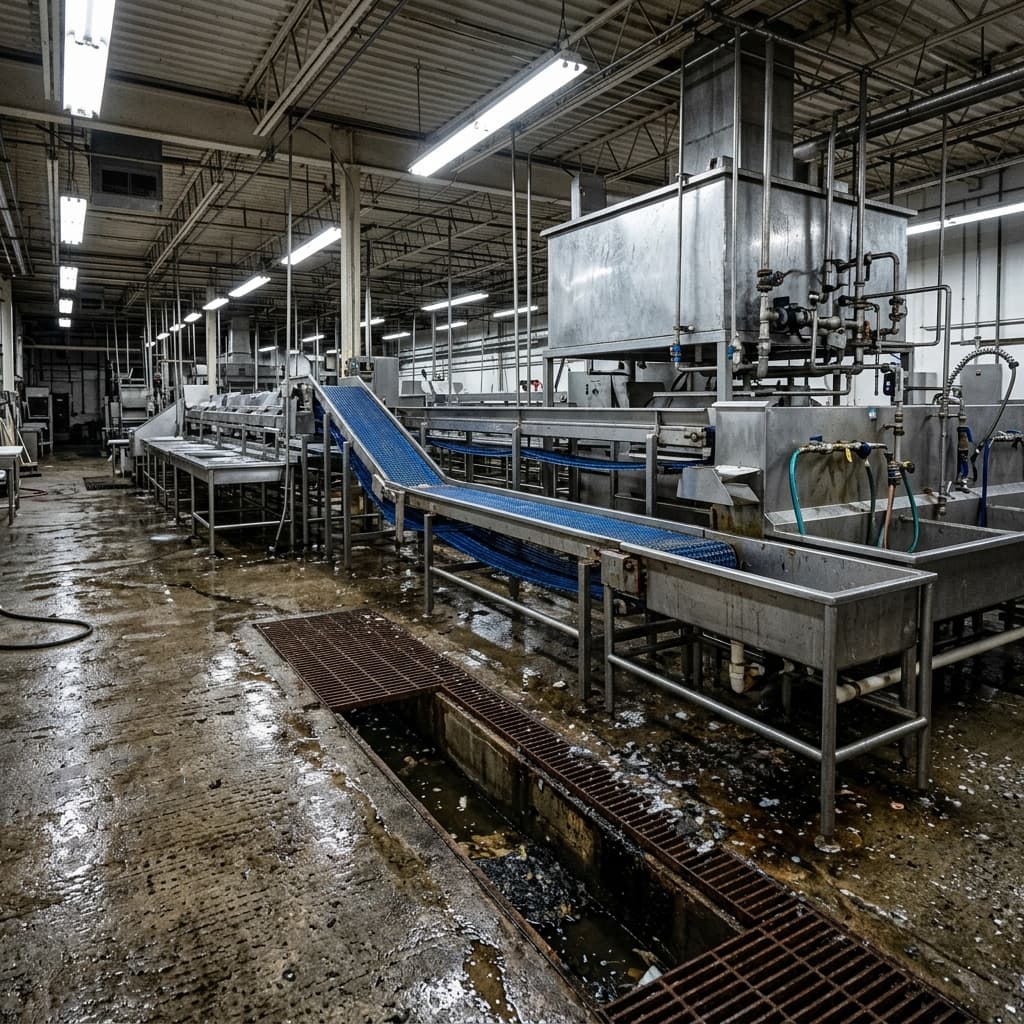
Why Fish Processing Plants Keep a Persistent Odour Despite Cleaning
In the seafood processing industry, the characteristic smell of the sea or volatile amines is a daily challenge. Even when hygiene teams carry out tho
Read the technical study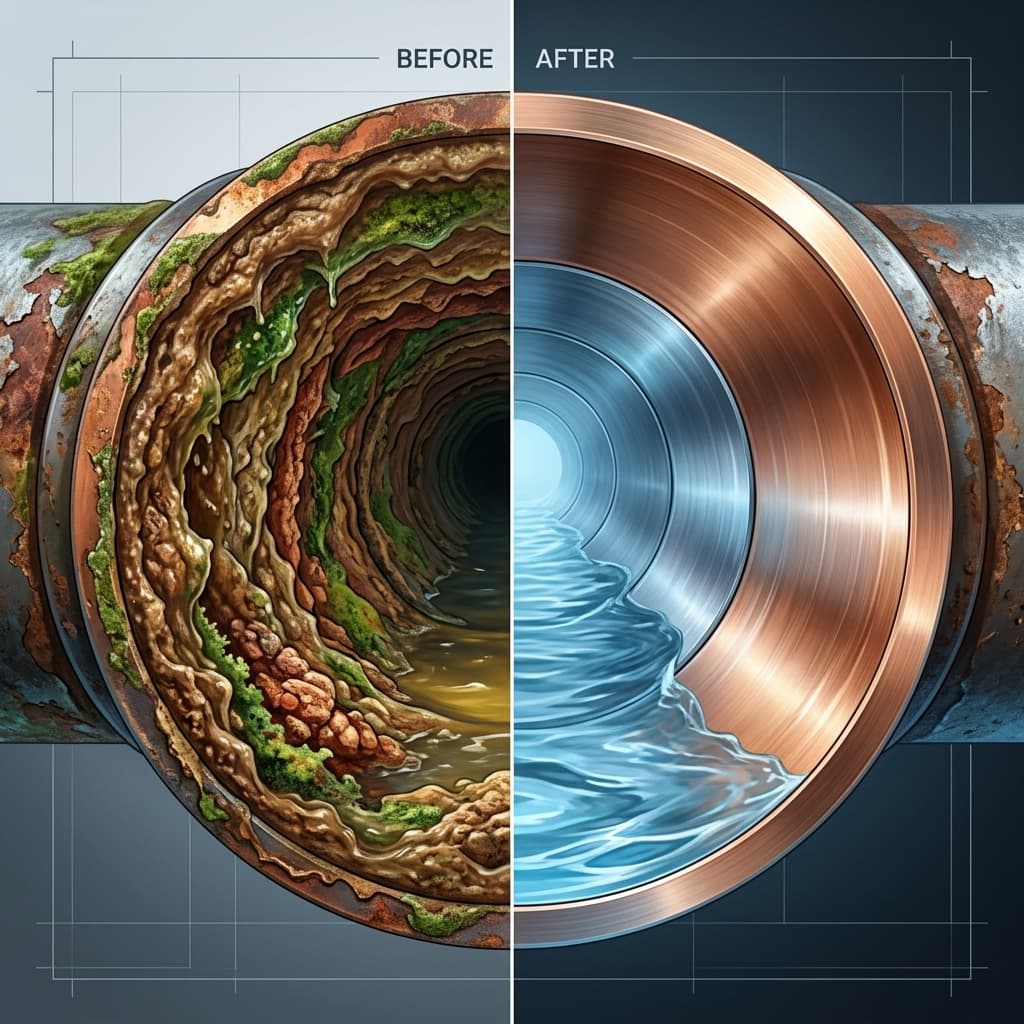
Why Cooling Circuits Become Invisible Critical Zones
In slaughterhouses, meat processing, and seafood plants, temperature control is vital. Cooling circuits (cooling towers, plate heat exchangers, carcas
Read the technical study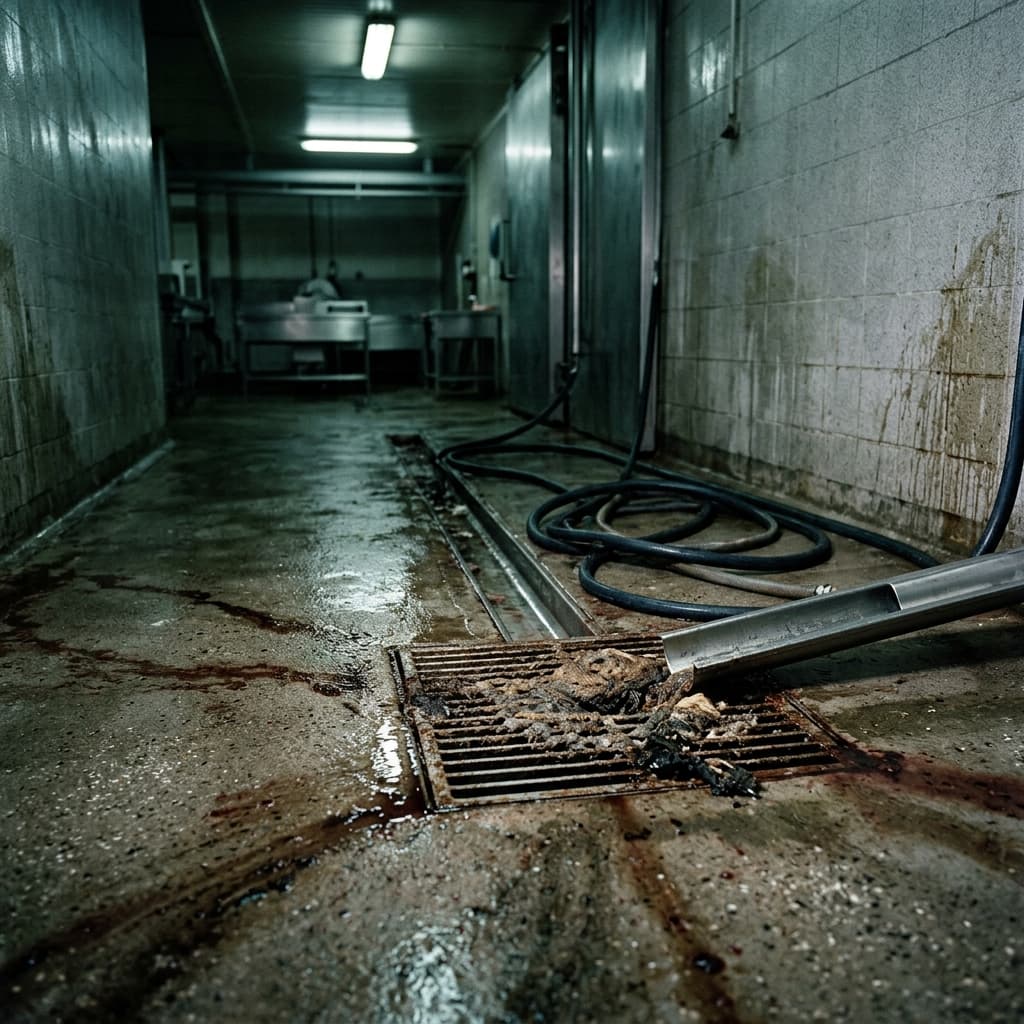
Why Certain Slaughterhouse Odours Resist Daily Cleaning
In slaughterhouses (poultry, cattle, or sheep), odour management is a key indicator of general hygiene control. Despite heavy daily cleaning and disin
Read the technical study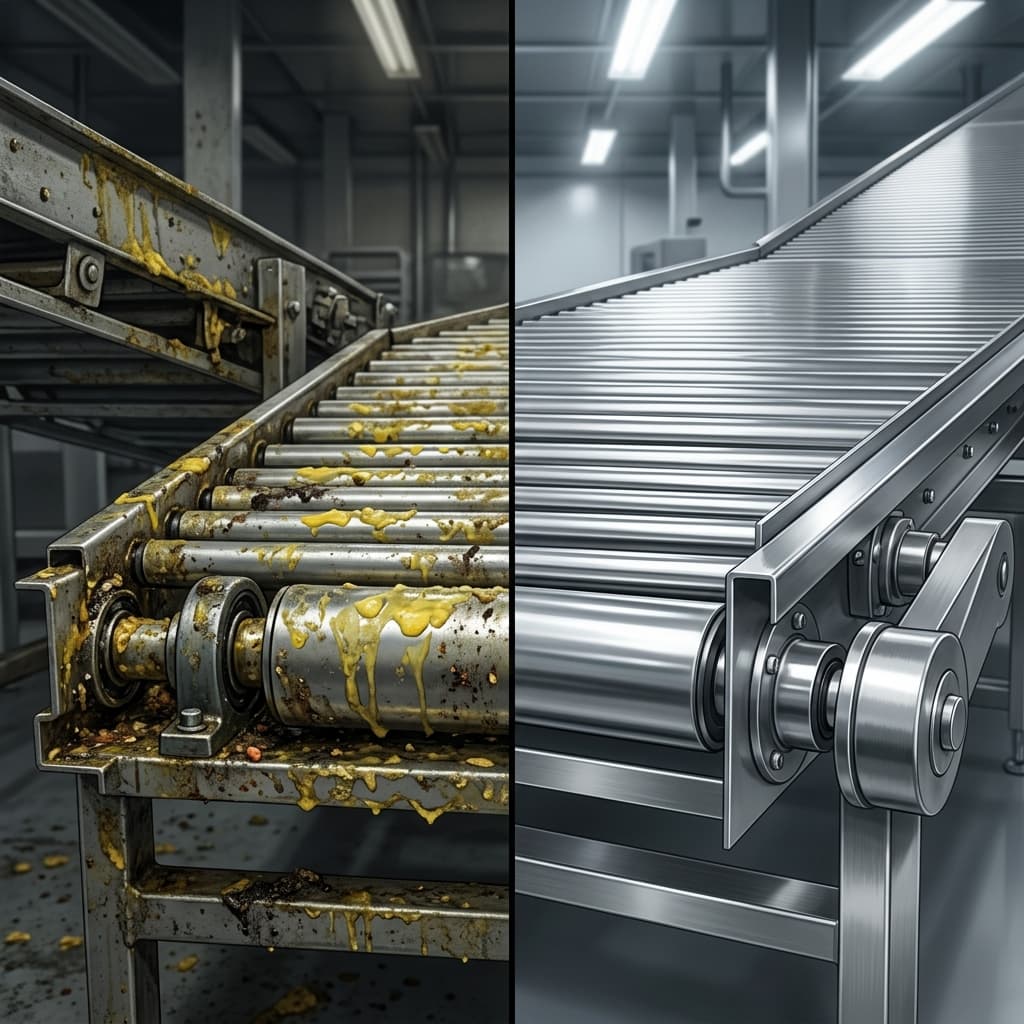
Why Conveyors Become the Invisible Highways of Contamination
In cutting, processing rooms, and slaughterhouses, the belt conveyor is the central equipment. It ensures the continuous transport of carcasses, meat
Read the technical studyShowing 1 to 12 of 30 articles